Resource:How to build and outfit an on-campus innovation space
Contents
Introduction
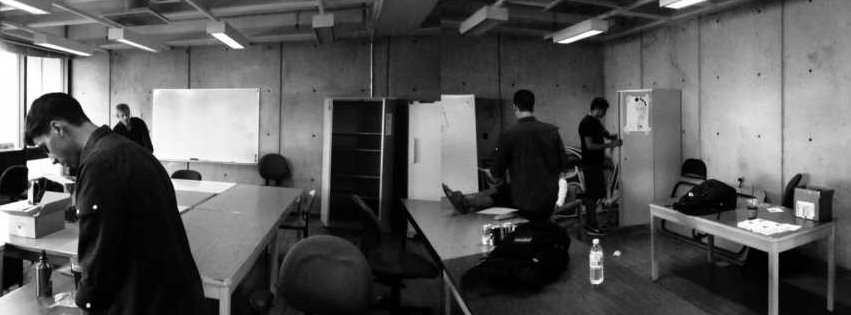
Creating a new design or innovation space on campus appears as a daunting task on the surface. Instead of a blueprint about "how to" build and outfit on-campus, a current University Innovation Fellow and I, Jared Karp, discussed exactly what bring a design and innovation space to campus really means. Furthermore, we endevored into the questions of why and how this space to empower people to generate their own vision and execute this vision. The questions might remain in one's head...would this prove any value to the student on my campus. The answer we concluded was, absolutely. The goal of this space is not only to ideate, tinker, and network but also inspire a new generation of entrepreneurs. Through this how to guide, I hope you get a sense of not just what is going on within this space and how to built it, but WHY these things are happening.http://universityinnovation.org/images/1/1e/SHED.jpg
Need and Goals
The need comes from students wanting to collaborate and work together in a forward thinking, creative, and innovative environment. On-campus innovation space creates a place where students can aggregate around the common interest of being curious or passionate about an idea. Many campuses, especially mine at Wake Forest University have a number of entrepreneurs; however, they have minimal interaction with each other. This is where I see the need. Bring these students together would create a supportive environment allowing team formation, collecting of resources, campus wide networking. Students could motivate each other and push through set backs along their process. The need that an innovation space fundamentally fills is that of a collaborative work environment. To access this need, surveys to students can be done, focus groups, questionnaires, or interviews with students. At the same time, student leaders can also see the growing need and act upon it by attempt to take on the challenge of implementing an on-campus innovation space.
The goal of building an on-campus innovation space is to fulfill a vision of student entrepreneurs working together from across many disciplines to solve common problems. Building a physical space on-campus also gives entrepreneurship a location, face, and identity on-campus which can be lost in the mix of other influential organization. Another goal would be to allow students to think and work outside the classroom. This real life hands on experience is invaluable for student entrepreneurs entering into post graduation life.
Academic Permission
Support
Location
Activities
Materials
Management
Launch
Lessons and Tips
Create a new design or innovation space
• Intro (short paragraph describing the space that was created)
• Need and goal (what you did to assess the need and how this space would fill that need)
• Academic permission (what kind of permission and proposals were needed)
• Support (what types of support were necessary — faculty, student, leadership, alumni, community, etc)
• Cost (what funding was necessary to create and maintain the space, and how that funding was found/raised)
• Location (where the new space is located and why it was located there)
• Activities (what activities occur in the space)
• Materials (what materials were needed to make the space successful, and how you gathered those materials)
• Management (how you selected who would manage the space and how it would be managed)
• Launch (how you promoted and launched the new space)
• Lessons learned and tips for others (what worked and what didn’t, and your recommendations for others)